
Cycling the Shimanami Kaido in Japan One of the Worlds Great Rides
When people talk about cycling Japan, one route stands above the rest—the Shimanami Kaido. Widely regarded as Japan’s most iconic ride, this purpose-built cycling route stretches across the Seto Inland Sea, connecting Honshu to Shikoku via a series of stunning island bridges.
For riders seeking a blend of scenery, culture, and accessibility, cycling the Shimanami Kaido is hard to beat.
Seven Bridges, One Unforgettable Ride
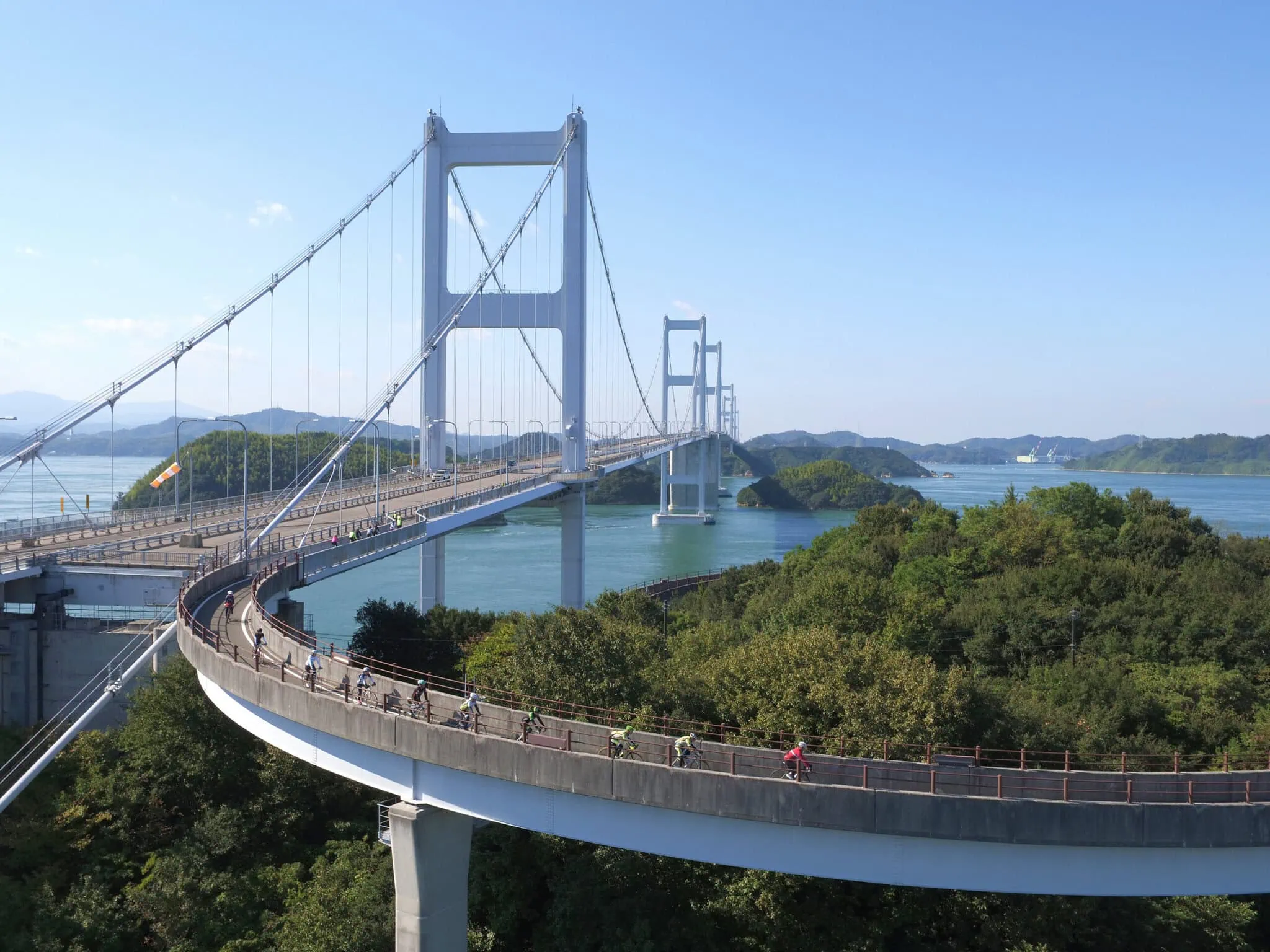
A defining feature of cycling the Shimanami Kaido is crossing seven spectacular bridges, each designed with dedicated cycling lanes.
These aren’t harsh climbs—engineered switchback paths provide gentle gradients, making the route achievable for recreational riders and ideal for e-bikes. Along the way, you’re rewarded with expansive views over the Seto Inland Sea, dotted with islands and fishing boats.
Island-Hopping Through Japan’s Seto Inland Sea
Unlike many point-to-point rides, cycling Japan’s Shimanami Kaido is about the journey between places.
Each island offers a different experience:
-
Ikuchijima – Citrus groves, coastal riding, and the impressive Kosanji Temple
-
Omishima – Quiet roads, spiritual sites, and a slower pace of life
-
Innoshima – Maritime heritage and authentic local culture
This rhythm—ride, explore, pause—makes the experience feel immersive rather than just scenic.
Where to Stay When Cycling the Shimanami Kaido
One of the reasons cycling the Shimanami Kaido works so well is the quality of accommodation along the route.
-
Onomichi – A charming стартing point with temples, cafés, and character
-
Setoda (Ikuchijima) – A standout overnight stop with relaxed waterfront stays
-
Omishima – Ideal for a quieter, more traditional island experience
-
Imabari (Shikoku) – The finishing point, offering a glimpse into regional Japan

Cycling Japan Beyond the Mainland: Discover Shikoku
Completing the Shimanami Kaido brings you to Shikoku, Japan’s smallest main island and a highlight for those interested in deeper cultural travel.
Known for its 88-temple pilgrimage route, Shikoku offers a more rural, authentic side of Japan—making it a natural extension for those exploring cycling Japan beyond the main tourist routes.
Why Cycling the Shimanami Kaido Is One of the World’s Best Rides
There are many reasons this route consistently ranks among the best places for cycling in Japan—and globally:
-
World-class cycling infrastructure – Clearly marked, safe, and purpose-built
-
Accessible for all riders – Perfect for leisure cyclists and e-bike users
-
Incredible scenery – Constant coastal views across the Seto Inland Sea
-
Cultural depth – Temples, food, and authentic Japanese island life
-
Flexible itinerary – Ride in one day or take several days to explore
-
Easy access – Well connected to Hiroshima, Osaka, and beyond
For many travellers, cycling the Shimanami Kaido isn’t just a highlight of their Japan trip—it’s the reason they chose to visit.
FAQs: Cycling the Shimanami Kaido
Is the Shimanami Kaido suitable for beginner cyclists?
Yes. One of the reasons cycling the Shimanami Kaido is so popular is its accessibility. The route is well marked, the gradients are gentle, and e-bikes are widely available. Many recreational riders complete it comfortably, either independently or through a supported itinerary with a reputable tour operator.
How far is the Shimanami Kaido cycle route?
The full Shimanami Kaido cycling route is approximately 70 to 75 kilometres, depending on your exact start point, finish point, and any side trips along the islands. Many riders choose to spread the ride over two or three days so they can enjoy the scenery, cafés, and small towns along the way.
How long does it take to cycle the Shimanami Kaido?
Most riders complete the route in 1 to 2 days, but 2 to 3 days is ideal for a more relaxed experience. Daily riding distances are usually quite manageable, often around 25 to 40 kilometres per day if you break the trip up with overnight stays. If you prefer a more structured option, you can link here to your Shimanami Kaido & Shikoku tour page.
Do I need to bring my own bike?
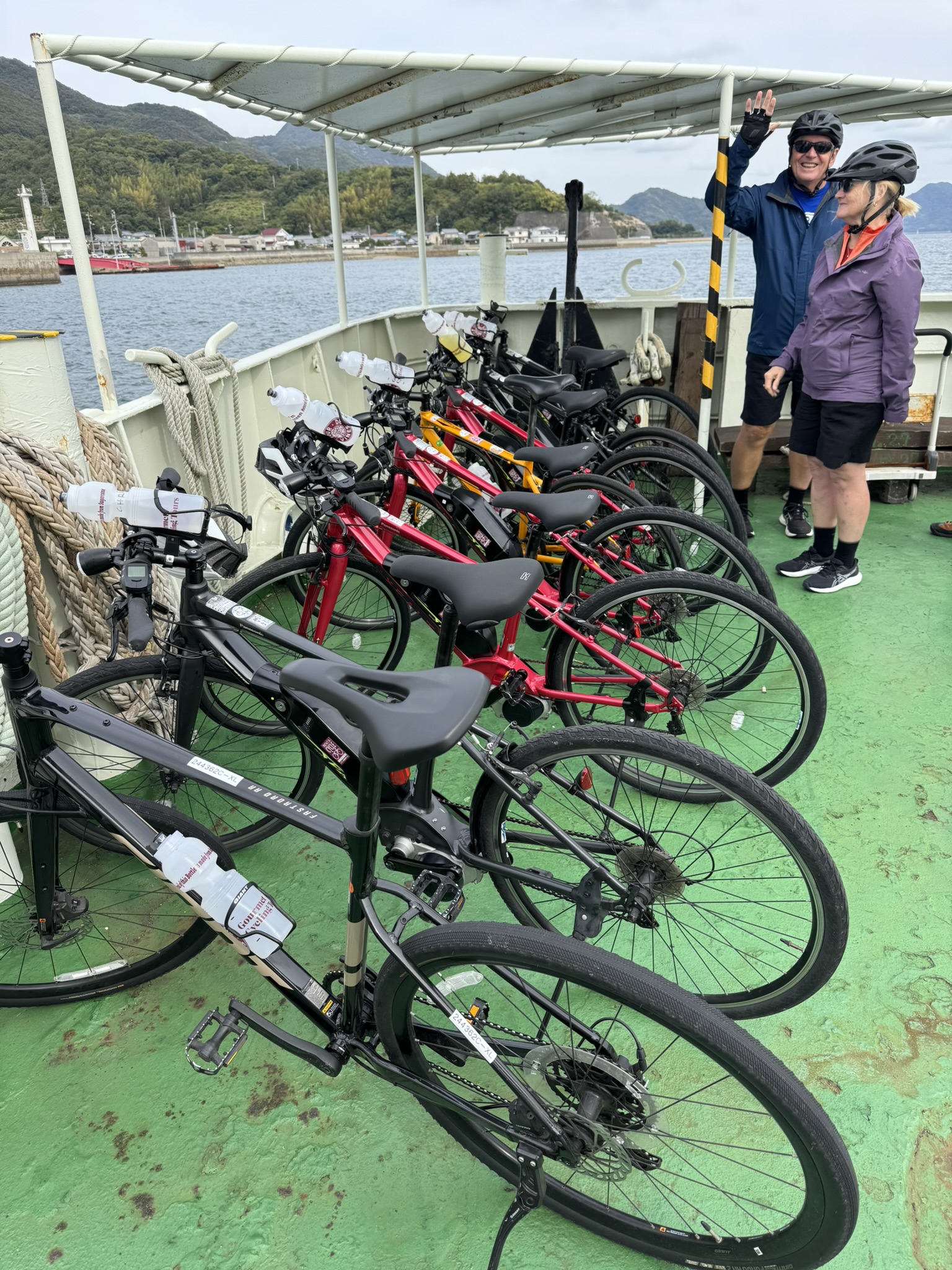
No. There are multiple bike rental options available, including e-bikes, so it’s easy to organise locally. Some travellers prefer to arrange everything themselves, while others choose a tour where bike hire, accommodation, and luggage transfers are already included. You could add a natural link here to your broader Japan cycling tours page.
Where are the best places to stay along the Shimanami Kaido?
Popular overnight stops include Onomichi, Setoda on Ikuchijima, Omishima, and Imabari. These stops work well because they break the route into comfortable riding distances while also giving you time to enjoy the islands and local culture.
When is the best time for cycling Japan on the Shimanami Kaido?
Spring from March to May and autumn from September to November are generally the best times, with mild temperatures and clear skies. These seasons are ideal for riders looking to enjoy cycling Japan in comfortable conditions.
Where does the Shimanami Kaido start and finish?
The route runs between Onomichi on Honshu and Imabari on Shikoku, crossing a chain of islands in the Seto Inland Sea via seven bridges. Some itineraries also continue beyond the classic route to explore more of Shikoku.
Why is the Shimanami Kaido regarded as one of the world’s best rides?
It combines purpose-built cycling infrastructure, beautiful sea views, quiet island roads, excellent food stops, and authentic Japanese culture. For many travellers interested in cycling Japan, it offers the perfect balance of accessibility, scenery, and sense of journey.